
Introduction: The Global Shift and the Reality of Green Energy
The global transition toward renewable energy is no longer just an environmental ideal; it is a massive restructuring of industrial infrastructure. As wind, solar, and advanced storage systems become the backbone of modern power grids, the focus is shifting from simply deploying more hardware to optimizing what is already in the field.
However, moving away from fossil fuels introduces a fundamental challenge: replacing controllable, predictable energy sources with assets that depend entirely on the weather.
This is where the boundary of “green intent” meets the harsh reality of grid physics. To make renewable energy truly viable at scale, systems must become deeply intelligent, autonomous, and resilient. And the key to achieving this lies not in the size of the solar panels or wind turbines, but in the precision of the hardware and embedded software that controls them.
Bridging Environmental Intent and Systemic Resilience
Renewable energy systems operate in inherently variable conditions, since power generation depends on environmental input that can only be measured, interpreted, and managed. This condition alone significantly complicates the disparity between theoretical capacity and actual performance.
Across solar, wind, storage, and grid infrastructure, losses typically arise from delayed response, limited visibility, and a lack of coordination between system components. These are examples of systemic inefficiencies that accumulate over time.
Hardware and embedded software are paramount to efficiently tackling this inconsistency. They enable real-time sensing, control, and decision-making at the system level, ensuring that distributed assets operate as a coordinated whole.
Core Engineering Capabilities: Mapping Business Domains to Embedded Expertise
Approaching renewable energy as an engineering problem of synchronization between the environment, equipment, and energy demand requires specialized development. Below is a structured mapping of our core development capabilities and technical expertise across key energy domains:
1. Solar & Wind Energy
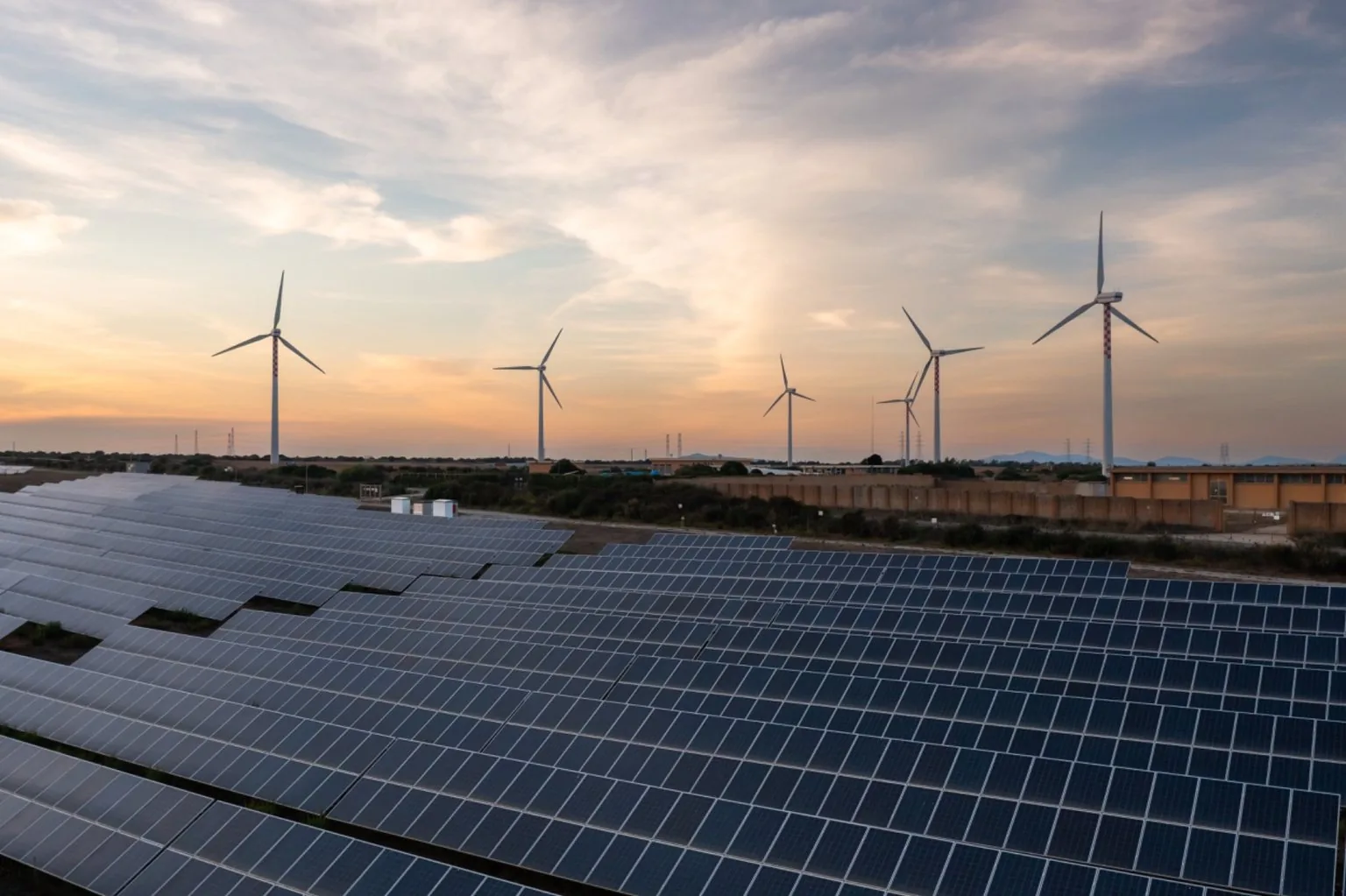
Performance in solar and wind generation depends on how precisely equipment adapts to changing environmental conditions, where even small deviations in control can lead to consistent energy losses and accelerated wear. Engineering development capabilities include:
- Solar Tracking Embedded Controllers: Engineering control logic for dynamic panel alignment to maximize solar input and increase generation efficiency without expanding physical infrastructure.
- Wind Turbine Pitch Control Systems: Developing embedded systems that ensure wind turbines operate within optimal parameters, balancing energy output with mechanical stability.
- Environmental Monitoring Systems: Designing rugged hardware platforms to provide continuous visibility into external conditions, weather factors, and structural stress.
- Predictive Maintenance Energy Systems: Creating condition monitoring architectures that shift maintenance from reactive to predictive, reducing downtime and extending asset lifespan.
2. Battery Energy Storage Systems (BESS) & Battery Management System (BMS)
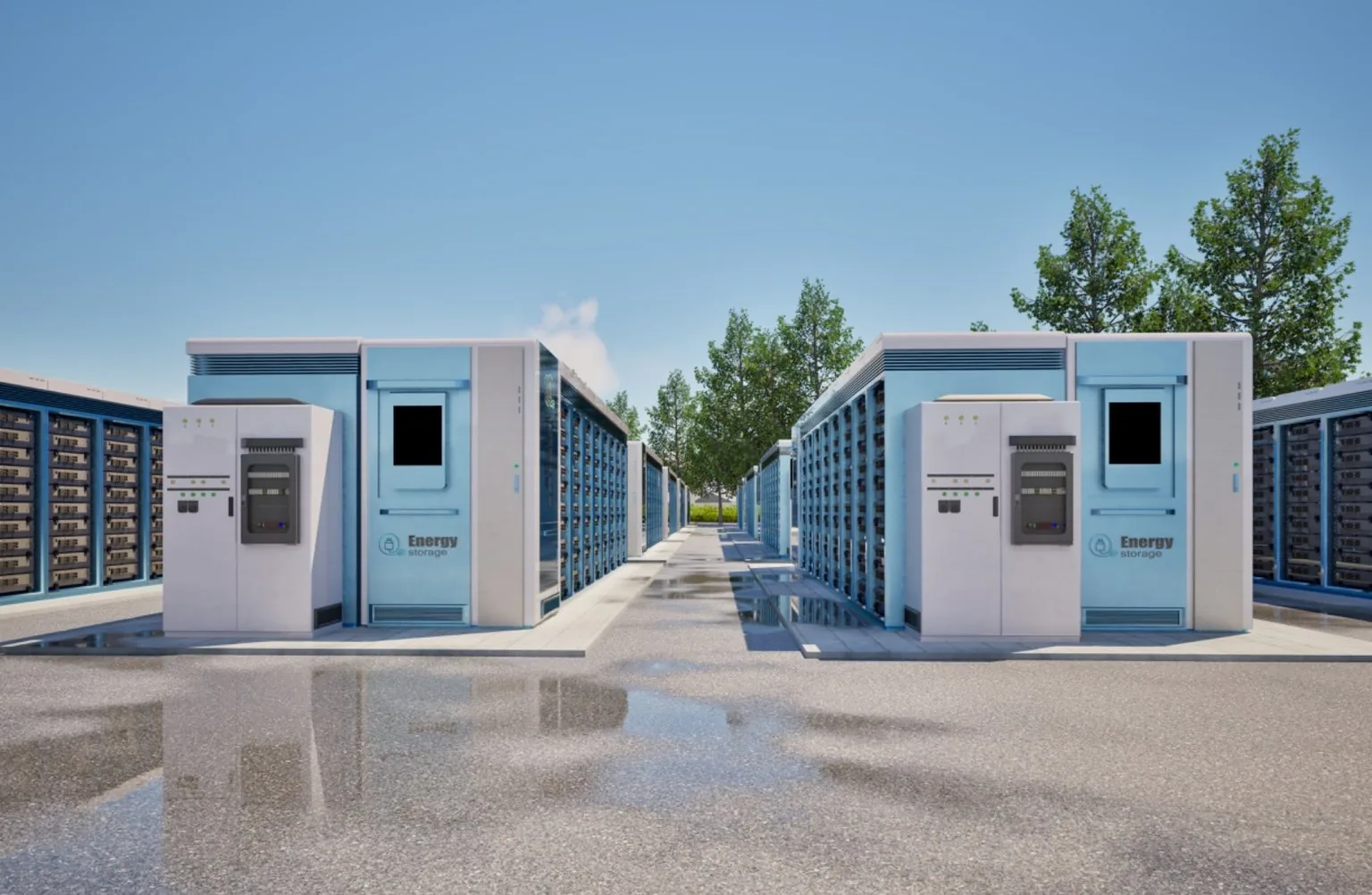
Energy storage systems play a crucial role in balancing supply and demand, but their performance is highly sensitive to monitoring, control, and scheduling. Hardware and firmware development covers:
- BESS Embedded Platforms: Engineering robust control architectures for utility-scale platforms to stabilize energy supply, balance load fluctuations, and support peak demand scenarios.
- BMS Hardware: Developing high-precision electronics for structural monitoring of battery health, ensuring safe operation and longer service life.
- Wireless BMS Monitoring: Implementing industrial IoT energy solutions that transition traditional battery topology into wireless architectures to reduce structural complexity.
- AI Energy Demand Forecasting & Scheduling: Low-level integration of algorithms to optimize charge and discharge cycles based on demand patterns and real-time system conditions.
- Second-Life Battery Solutions: Designing monitoring and control architectures that enable the safe and efficient reuse of existing battery assets in secondary applications.
3. Smart Grid & Microgrids
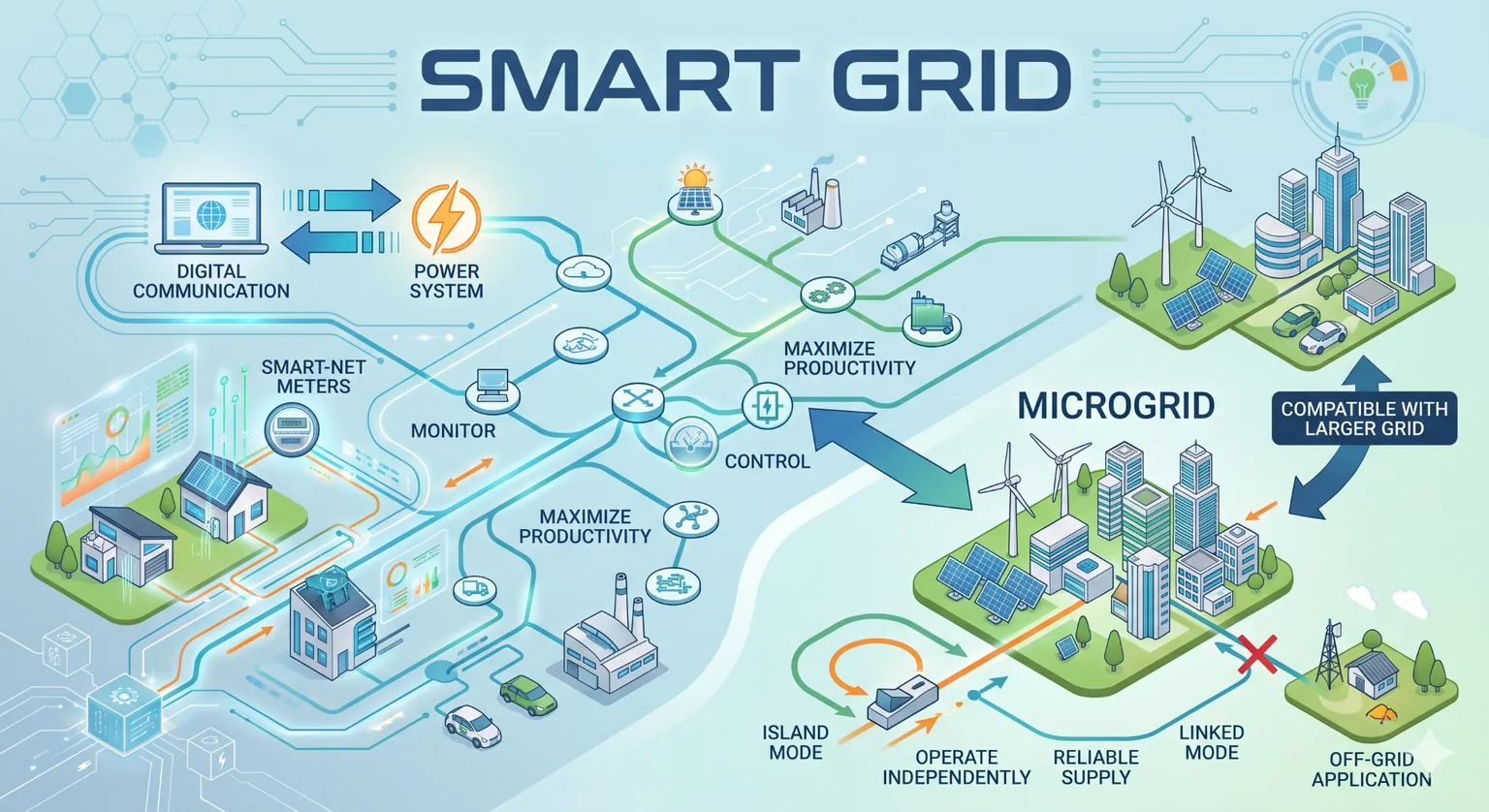
As energy systems become more decentralized, the primary challenge is the continuous synchronization of data, control actions, and system responses. Engineering expertise covers:
- Advanced Metering Infrastructure (AMI) Systems: Developing smart metering units and data-acquisition systems that deliver accurate, real-time visibility into energy consumption.
- Microgrid Energy Controllers: Designing autonomous controllers that enable stable operation of localized energy networks to support energy independence.
- Smart Substations & Grid Devices: Developing edge hardware to automate responses to faults and disruptions, directly reducing system downtime.
- EMS Energy Management Systems & DER Integration Platforms: Creating interoperability and supervisory control layers to coordinate distributed energy resources for balanced and efficient energy flows.
Hardware and Embedded Software’s Role in Sustainable Energy
Across all domains, embedded software acts as the execution layer of the energy system. It connects physical processes with digital control, enabling real-time decision-making under changing conditions.
From solar-tracking embedded controllers and wind turbine pitch control systems to BESS embedded platforms and smart grid embedded solutions, the goal remains consistent: reducing uncertainty and improving system response. Capabilities such as AI energy demand forecasting, predictive maintenance energy systems, and industrial IoT energy solutions further elevate this logic by turning operational data into attainable algorithms, improving efficiency, and constructing a more stable energy system.
Practical Next Step: Feasibility & Resilience Audit
Renewable energy solutions lose efficiency through small, repeated mismatches between environment, infrastructure, and control. If you are evaluating how your energy system performs under real-world conditions, such as variable generation, distributed assets, and operational constraints, a structured assessment is the most practical starting point.
A lightweight Feasibility & Resilience Audit helps to:
- Identify exactly where efficiency is lost;
- Uncover hidden operational risks;
- Chart a realistic, system-level roadmap.
Let’s look at your field constraints and find a reliable, data-driven approach for your architecture. Get in touch with us to start the assessment.