
Telecommunications: Embedded Systems Behind Connected Infrastructure
Telecommunications networks rely on more than radio equipment, fiber connections, and data transmission capacity. Embedded systems play an important role in keeping this infrastructure operational, handling everything from signal processing and equipment control to connectivity, monitoring, and security.
As networks expand and communication technologies evolve, the demands on equipment manufacturers continue to grow. Hardware and embedded software must deliver reliable performance, support remote operation, and remain serviceable throughout the equipment’s lifecycle. Choosing the right processor or communication module is only part of the job. Engineers also need to consider how components interact, what happens when connections fail, and how equipment will perform under conditions that are difficult to reproduce in a laboratory.
Where Embedded Engineering Fits Across Telecommunications
The role of embedded engineering varies considerably across telecommunications. Radio access equipment depends on precise timing and high-speed data processing, while wireless gateways must maintain connectivity as network conditions change. Remote infrastructure needs reliable monitoring and fault detection, and satellite communication and trusted edge systems introduce their own challenges involving RF performance, security, and computing resources.
Each area places different demands on electronics and software. Understanding these differences helps determine which hardware architectures, communication interfaces, and embedded solutions are appropriate for a particular application. The following five domains highlight the engineering challenges and solutions involved.
1. Radio Access & Open RAN Infrastructure

Radio access networks connect user devices to the wider telecommunications network. Their operation relies on radio hardware, distributed computing, and precise synchronization between network components. Open RAN architectures allow equipment and software from different vendors to work within the same network, but this flexibility also makes interoperability and integration more demanding. Interfaces must be compatible, timing must remain accurate, and the individual components must operate together without compromising network performance.
Open RAN Radio Units & Remote Radio Hardware
Radio units bridge digital processing and RF transmission. Their design must meet demanding signal-processing requirements while operating stably under varying network and environmental conditions. RF front-end integration, high-speed PCB design, power distribution, thermal management, and synchronization interfaces all influence the final hardware architecture.
Outdoor radio equipment brings additional challenges. Consider temperature variations, enclosure constraints, and continuous operation alongside electrical and RF performance. Custom electronics and embedded controllers can support equipment monitoring, control functions, diagnostics, and integration with other radio access network components.
RAN Edge Computing, Timing & Synchronization
Distributed radio architectures move time-sensitive processing closer to the network edge. This requires computing platforms that can handle demanding workloads while maintaining accurate timing and communication between components. Processing power alone is not enough: high-speed interfaces, timing references, synchronization mechanisms, and hardware acceleration must be coordinated to meet the system’s performance requirements.
These factors influence the choice of processors, programmable logic, PCB architecture, and communication interfaces. Even a relatively small timing or integration issue can affect the operation of a larger radio access system.
2. Next-Generation Wireless Access
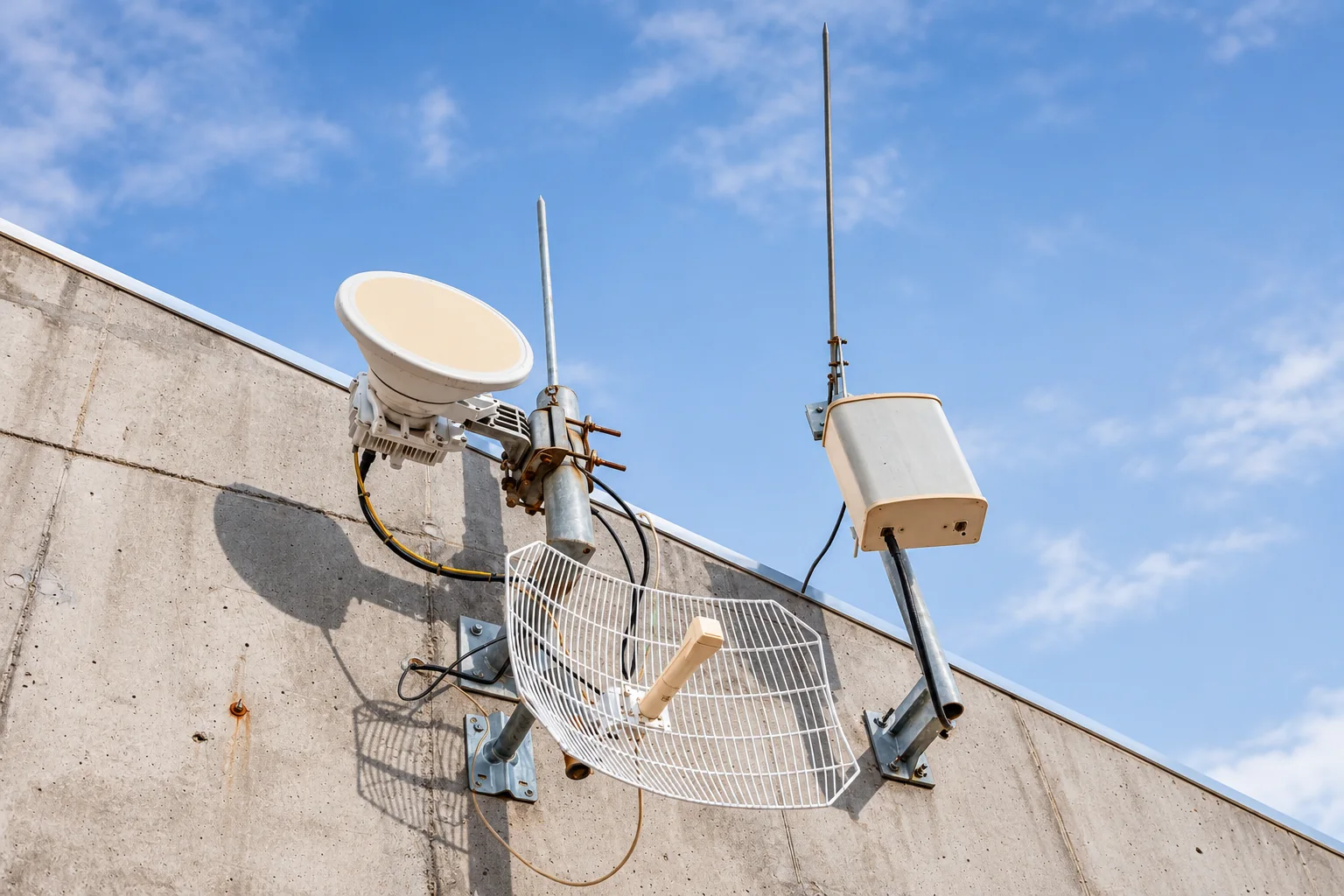
Wireless access equipment connects enterprises, private networks, and broadband subscribers without relying entirely on wired infrastructure. Manufacturers must balance wireless performance, power consumption, thermal behavior, and remote management. Another challenge is ensuring that a device performs consistently after leaving the laboratory and entering a real network environment.
Wireless Access Devices & FWA Gateways
Wireless routers, access points, and fixed wireless access (FWA) gateways combine technologies such as cellular, Wi-Fi, and Ethernet to provide network connectivity. Integrating these technologies into a finished product involves more than connecting a modem to a processor. PCB layout, antenna placement, enclosure materials, power supply design, and electromagnetic interference can all affect RF performance. A communication module may meet its specifications during standalone testing but behave differently once installed inside a complete device.
Manufacturers also need to consider routing functionality, remote configuration, diagnostics, and firmware updates. Compact gateways operating under sustained traffic loads may face additional thermal constraints. The challenge is to bring these elements together without sacrificing connectivity, performance, or long-term reliability.
Wireless Performance & Connectivity Firmware
A wireless device needs to do more than establish a connection. It must also respond when network conditions change. Firmware may monitor signal quality, detect communication failures, manage modem states, and restore connectivity after interruptions. Devices with multiple network interfaces may also require automatic failover or switching between available connections.
How these functions are implemented affects service continuity and the device’s behavior during network problems. Remote diagnostics, configuration management, power optimization, and firmware recovery are also important, particularly for customer-premises equipment and distributed devices that cannot be serviced easily. A connection failure should not automatically require a technician to visit the installation site.
3. Telecom IoT & Infrastructure Telemetry
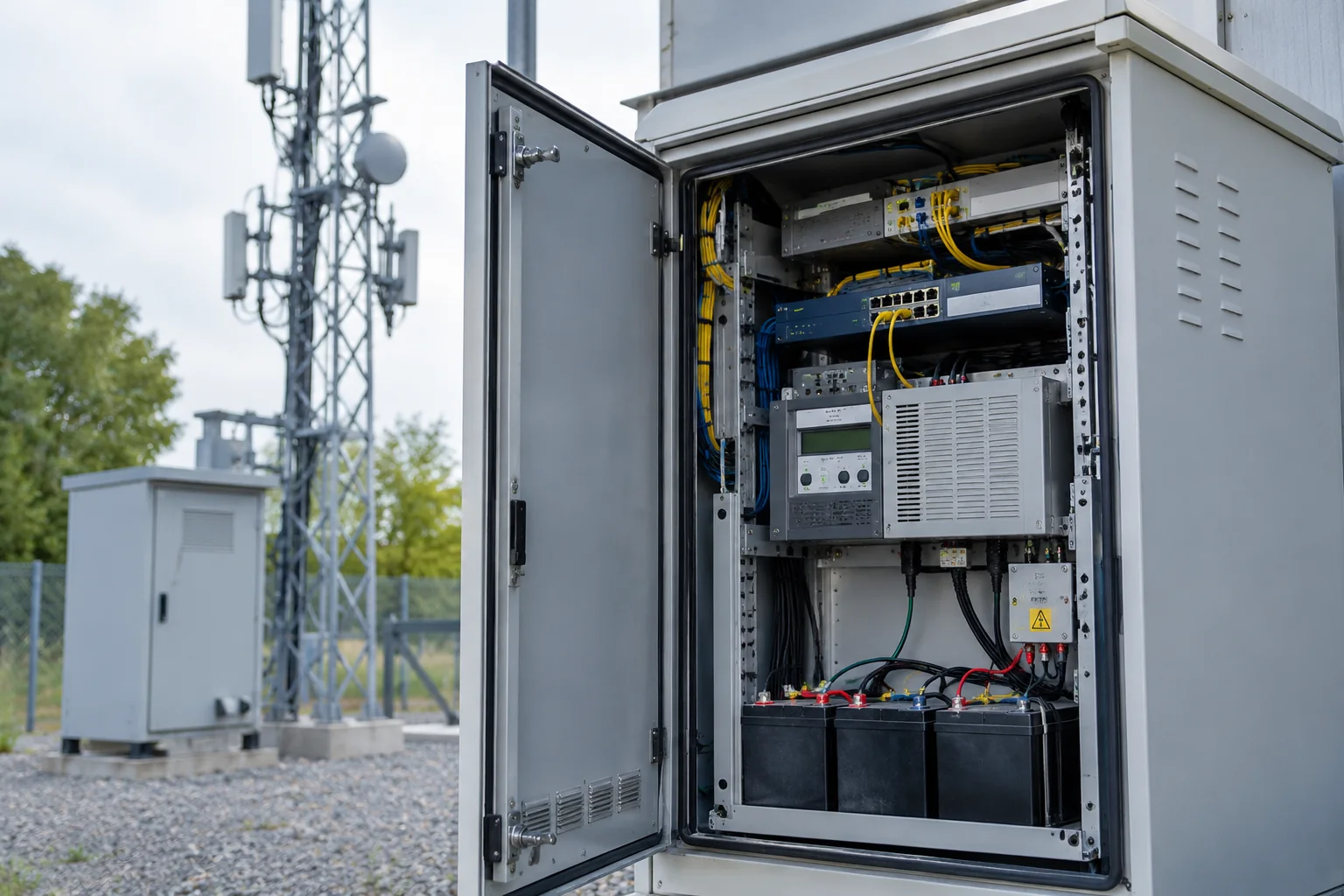
A telecommunications network depends on more than the equipment that transmits and routes data. Base stations, communication cabinets, backup power systems, cooling equipment, and other supporting installations also need to operate reliably. Many of these assets are spread across large geographic areas, making continuous on-site supervision impractical. Embedded monitoring systems, sensors, and communication gateways help operators track equipment conditions, detect faults, and collect information from remote installations.
Multi-Protocol & Industrial Connectivity Gateways
Telecommunications sites often contain equipment from different manufacturers, sometimes installed years apart. A power controller may communicate over RS-485, while another device uses Ethernet or a different industrial interface. Bringing their data into one monitoring system is not always straightforward. Custom gateways can bridge these interfaces, collect measurements, and transfer information to remote management platforms.
The firmware must also handle equipment states, communication interruptions, data consistency, and alarm reporting. Consider a gateway collecting measurements from a power system: if its connection to the management platform drops, important events should not simply disappear. Depending on the system requirements, the gateway may need to store records locally and transmit them once communication is restored. These functions become especially important when a single monitoring platform must work with equipment from multiple vendors.
Telecom Infrastructure Monitoring & Edge Telemetry
Power and environmental conditions directly affect telecommunications infrastructure availability. Monitoring systems can track DC power distribution, backup batteries, temperature, humidity, equipment status, and fault events at remote sites. However, collecting measurements is only the beginning. The system must also determine which conditions are significant and when an alarm is necessary.
Not every voltage fluctuation requires immediate attention, but a persistent power problem may indicate that equipment is at risk. The monitoring controller needs to recognize these differences, record relevant events, and report critical conditions accurately. Local data storage and processing can help preserve information when communication with the central management platform is temporarily unavailable. Combining measurement electronics, firmware, and remote connectivity allows operators to identify equipment problems earlier and make better-informed maintenance decisions.
Rugged Edge Sensing & Remote IoT Devices
Some telecommunications equipment operates in locations with limited access and difficult-to-control environmental conditions. Outdoor installations may experience temperature extremes, moisture, vibration, and unstable power supplies. Remote sensing devices may also depend on batteries or other constrained energy sources. These conditions affect both hardware and firmware design.
Engineers may need to optimize power consumption, select suitable enclosure protection, implement reliable communication recovery, and ensure that sensor measurements remain dependable over time. For devices intended to operate unattended, even relatively small design decisions can influence maintenance frequency, battery life, and long-term reliability.
4. Satellite, NTN & RF Communication Systems

Satellite communication and non-terrestrial networks (NTN) provide connectivity beyond conventional terrestrial infrastructure. The equipment involved ranges from onboard computing platforms to software-defined radios and ground-based communication devices. Each has different requirements for processing, RF performance, power consumption, and operating conditions.
Onboard Embedded Computing
Computing hardware used in satellite and related communication systems often operates within strict limits on power consumption, processing resources, thermal performance, and physical size. An architecture may combine processors, microcontrollers, programmable logic, memory, and specialized communication interfaces to meet its processing requirements. Selecting the right platform involves balancing workload, available energy, and environmental constraints.
Spaceborne equipment introduces further considerations, including radiation effects, component reliability, and qualification procedures. These requirements depend on the mission and must be addressed in accordance with relevant engineering standards.
Software-Defined Radio Platforms
Software-defined radio (SDR) platforms use software, programmable logic, or a combination of digital processing technologies to implement radio functions. This makes it possible to modify certain communication functions without redesigning the entire RF hardware platform, although the flexibility comes with engineering trade-offs. RF front-end integration, data acquisition, interface bandwidth, processing latency, and task distribution between hardware and software all affect system performance.
For example, the required bandwidth and processing workload influence whether a function should run on a general-purpose processor, programmable logic, or another processing platform. Select the architecture based on communication requirements rather than processing capacity alone.
Satellite Ground Terminals & NTN Edge Connectivity
Ground terminals and NTN connectivity devices connect terrestrial equipment to satellite networks. Their hardware may include RF electronics, antenna interfaces, embedded processors, communication modules, and connectivity management firmware. However, not all these devices present the same engineering challenges.
Electronically steered ground terminals require specialized antenna and RF design. Equipment built around an existing satellite or NTN communication module instead emphasizes module integration, power management, host interfaces, and reliable connection handling. Where terrestrial and satellite connectivity are combined, the embedded system may also need to manage communication availability and transitions between links. The appropriate design depends on the required functionality and the complexity of the communication system.
5. Telecom Security & Trusted Edge Infrastructure
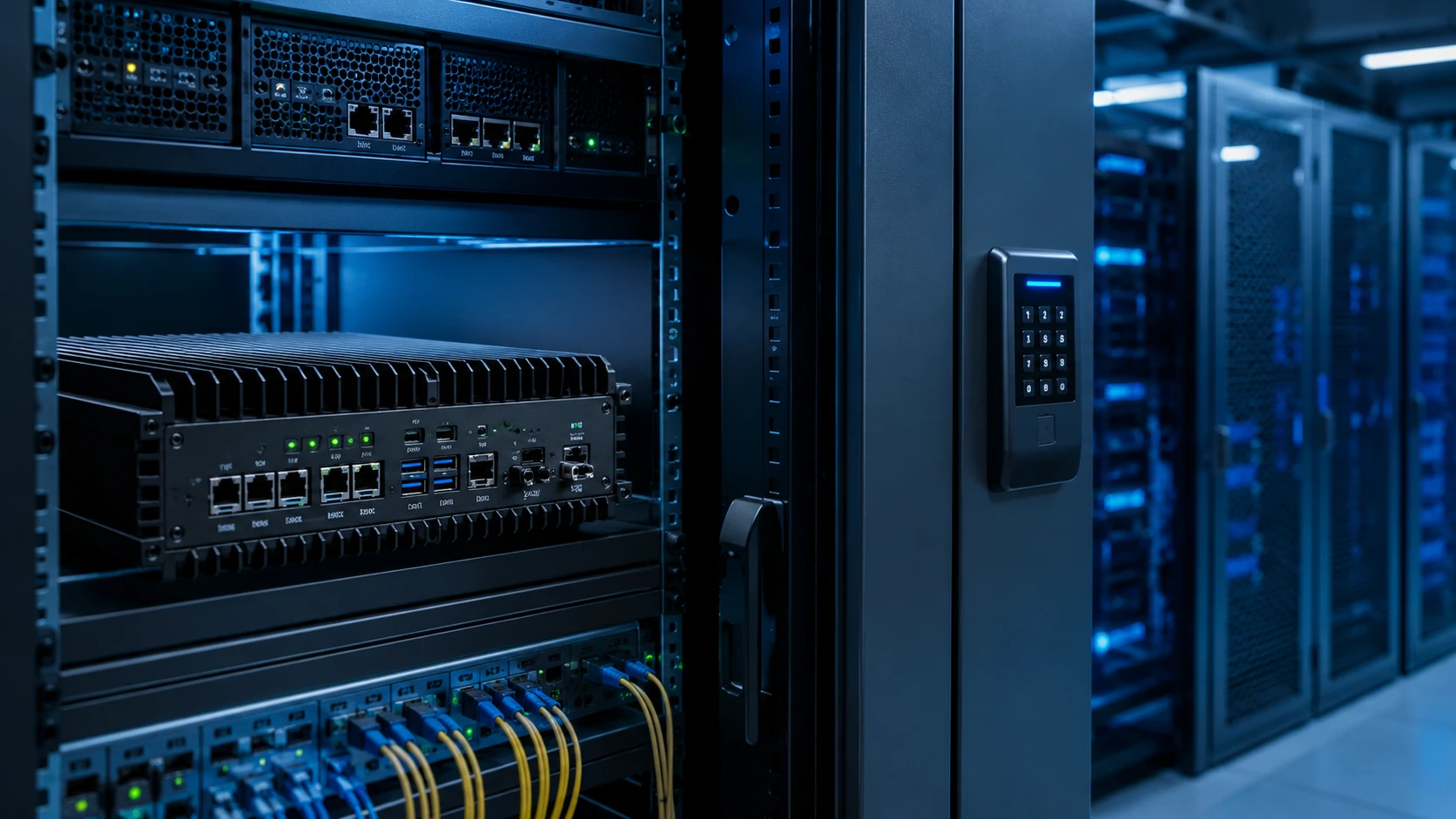
Telecommunications equipment is often deployed across distributed networks and managed remotely. This makes device security an important consideration throughout development and operation. Protecting firmware, device identities, cryptographic keys, and communication interfaces requires decisions at both the hardware and software levels. Security measures must also be compatible with the equipment’s performance and maintenance requirements.
Hardware-Rooted Security & Secure Device Lifecycle
Hardware-supported security can help establish a trusted foundation for connected telecommunications equipment. Depending on the device architecture, this may involve secure elements, trusted platform components, hardware-backed key storage, secure boot, and authenticated firmware updates.
Remote software maintenance is one area where these mechanisms matter most. Before installing new firmware, a device may need to verify its authenticity and integrity. It must also handle interrupted updates without becoming permanently inaccessible. Secure provisioning, anti-rollback protection, and recovery mechanisms need to be designed with the device’s operating conditions in mind, especially when equipment is installed at remote network sites where technical intervention is difficult.
Trusted Edge Computing & Workload Protection
Telecommunications edge platforms may process sensitive information or run network functions that need to be isolated from other software components. Trusted execution environments, hardware-assisted isolation, and authenticated communication can provide additional protection. Implementation depends on the selected processor, operating system, hardware security features, and the threats the system needs to address.
These security measures also introduce design trade-offs. Workload isolation and protection mechanisms must be implemented without preventing the platform from meeting its processing, latency, and operational requirements. That balance needs to be considered during system architecture and software development.
Where UnioTech Fits
UnioTech helps telecom companies and product teams develop the embedded hardware and software behind modern communication systems, including RF interfaces, edge computing platforms, IoT gateways, NTN connectivity, and trusted device architectures.
Our engineering capabilities include system architecture, electronics and PCB design, embedded firmware, edge software, wireless and wired connectivity, sensor integration, industrial interfaces, cybersecurity-aware device architecture, validation support, and manufacturing preparation.
Depending on the project, our work may involve integrating cellular, Wi-Fi, or satellite communication modules into custom hardware; developing firmware for connectivity management and remote diagnostics; designing multi-protocol gateways that connect telecom equipment with monitoring platforms; or implementing secure boot, authenticated firmware updates, and device recovery mechanisms.
For more specialized telecommunications applications, we can contribute to defined embedded subsystems, such as control electronics, interface boards, embedded computing platforms, and communication module integration. The scope of our involvement depends on the system architecture, performance requirements, and the project's technical complexity.
Have a Telecommunications Project in Mind?
Let us know what you're developing and where you need engineering support. You can reach us by email or through the contact form on our website. Share a brief description of your project, its key technical requirements, and any relevant timelines or questions.
We'll review your needs and discuss how UnioTech can support your development.
FAQ
What role do embedded systems play in telecommunications?
Embedded systems support signal processing, equipment control, connectivity, monitoring, and security. Their hardware and firmware help network equipment operate reliably, recover from faults, and remain serviceable throughout its lifecycle.
What are the embedded engineering challenges in Open RAN?
Open RAN equipment must integrate RF hardware, high-speed interfaces, computing resources, and precise timing. Interoperability between components from different vendors adds integration and synchronization requirements.
Why do wireless gateways need connectivity management firmware?
Connectivity firmware monitors signal quality, manages modem states, detects failures, and restores connections. Depending on the device, it may also provide failover, remote diagnostics, configuration management, and firmware recovery.
How does embedded telemetry support telecom infrastructure?
Monitoring controllers and gateways collect power, battery, environmental, and equipment-status data from remote sites. They can identify significant faults, report alarms, and preserve records locally when the management connection is unavailable.
How can telecom devices support secure remote updates?
Depending on the architecture, devices can use secure boot, hardware-backed key storage, authenticated firmware updates, anti-rollback protection, and recovery mechanisms. Update handling must also account for interruptions and limited access to remote equipment.