
In this blog, we’ll journey through embedded software’s exciting and transformative trends. We’ll explore how these trends are reshaping industries, enhancing user experiences, and pushing the boundaries of what’s possible in the world of technology. Whether you’re an industry professional, a tech enthusiast, or simply curious about the future, join us as we dive deep into the emerging trends shaping the embedded software landscape.
What Is Embedded Systems?
But, the first things are first. Let’s figure out what embedded systems are.
Embedded systems are specialized computer systems that perform dedicated functions or tasks within larger systems or products. Unlike general-purpose computers, which can run a wide range of software applications, embedded systems are tailored to perform specific functions efficiently and reliably.

Edge Computing
The emergence of edge computing stands out as one of the most critical developments in embedded systems. Unlike the traditional approach, where data processing primarily happens in the cloud, edge computing brings computation closer to where the data is generated. This shift in perspective has several advantages: it reduces the reliance on constant internet connectivity, enhances real-time processing capabilities, and decreases latency.
Artificial Intelligence and Machine Learning
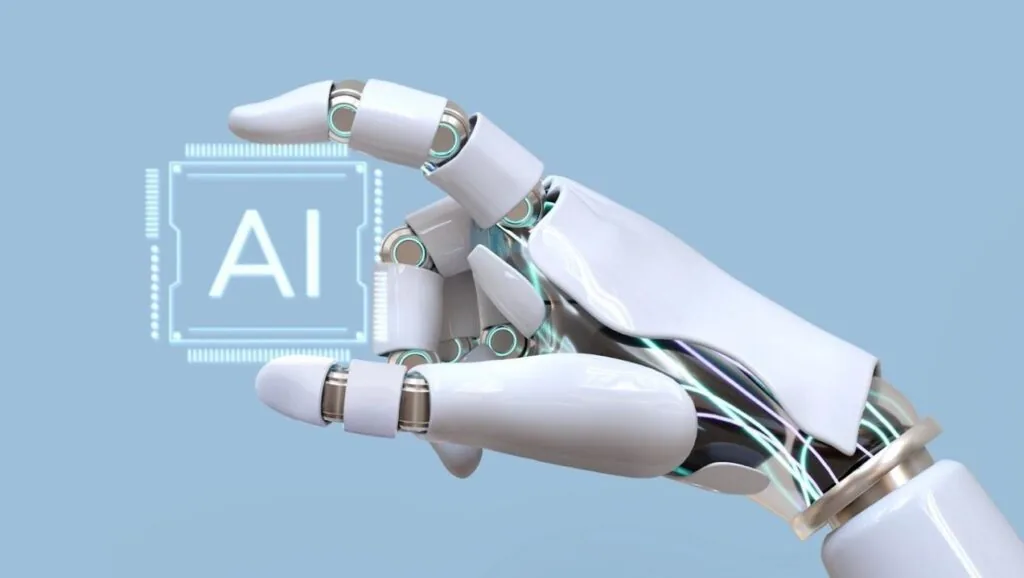
Integrating machine learning (ML) and artificial intelligence (AI) into embedded systems has opened up exciting new possibilities. Today, embedded systems can learn from human interactions, make intelligent decisions, and adapt to their dynamic environments. This transformative trend is particularly evident in applications like voice and image recognition, autonomous vehicles, and smart home appliances.
As widely recognized, modern microcontrollers continue developing thanks to technological advancements, which greatly enhance their qualities. Consequently, this progress enables the seamless integration of artificial intelligence and neural networks into these microcontrollers. This leads to substantial enhancements in firmware efficiency and real-time operational logic. Making devices based on such microcontrollers more autonomous and with higher performance.
As embedded systems advance in processing power, we expect even more sophisticated AI and ML applications to emerge. This evolution promises to bring increasingly complex and intelligent capabilities within embedded systems, further enhancing their functionality and utility.
Wireless Connectivity
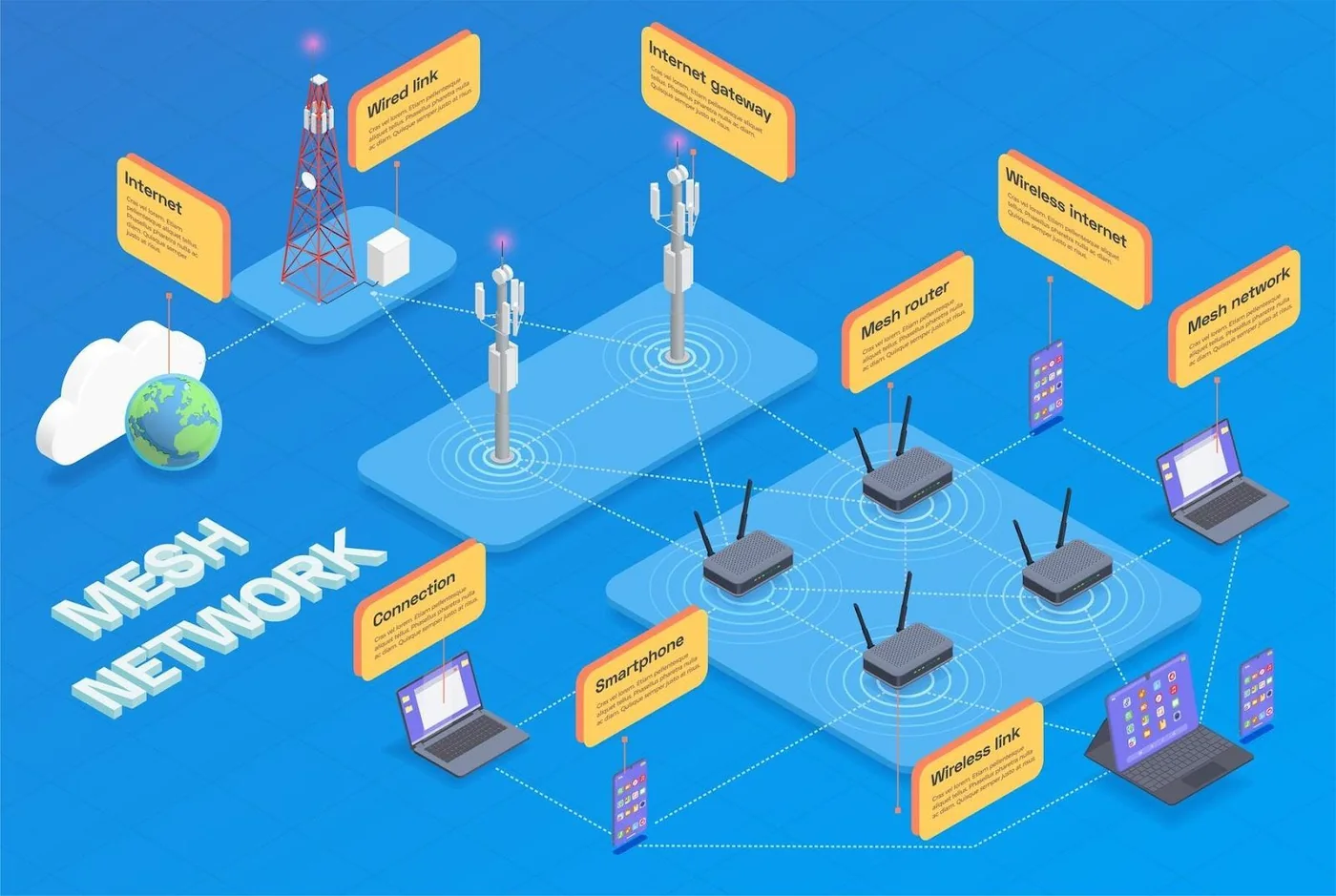
Today, a growing demand exists for establishing a standardized connectivity framework for interconnecting diverse devices. This endeavor simultaneously should address several challenges, including efficient communication, cost-effective implementation, and increased bandwidth capacity. We already have notable success stories in technologies like LoRa (Long Range) and BLE (Bluetooth Low Energy). Furthermore, emerging technologies such as NB-IoT (Narrow Band Internet of Things) and LTE-M (Long-Term Evolution Machine Type Communication) hold great promise for the future of interconnected devices and IoT applications. These advancements are expected to drive innovation and efficiency in device communication and data exchange.
What’s more? The demand for faster and more reliable wireless connectivity has driven significant advancements in embedded systems. The advent of 5G technology has ushered in a new era of connected devices thanks to its significantly enhanced data transmission speeds and reduced latency.
Furthermore, emerging technologies like Wi-Fi 6 and 6E take wireless capabilities beyond what 5G offers, further improving connectivity. These advancements are crucial for seamlessly networking Internet of Things (IoT) devices and enabling applications such as augmented and virtual reality to thrive. In essence, these wireless innovations are transforming how embedded systems operate and interact with the digital world.
Augmented Reality and Virtual Reality
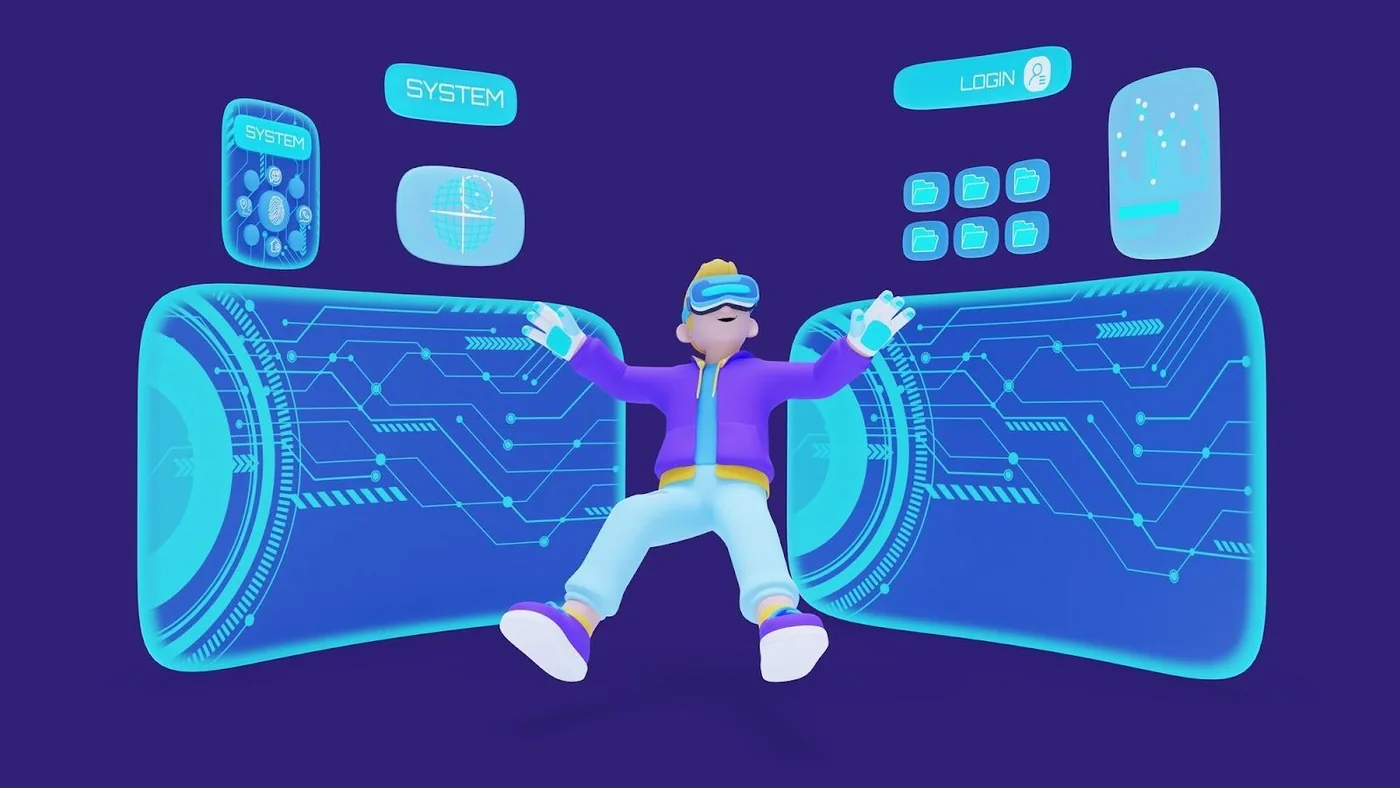
Integrating Augmented Reality (AR) and Virtual Reality (VR) technologies into embedded systems revolutionizes user experiences. These technologies are expanding the possibilities of embedded applications, enabling everything from interactive training simulations to immersive gaming experiences.
This trend is particularly significant in manufacturing, healthcare, and education. Thus, AR and VR enhance training programs in manufacturing, improving worker skills and productivity. In healthcare, they provide innovative solutions for medical training and patient care. In education, these technologies offer immersive and engaging learning experiences. In essence, AR and VR are transforming how embedded systems are used across various industries, unlocking new levels of interactivity and creativity.
Open Source Ecosystems
Open source is rising in various fields, including AI and ML, with growing sustainable businesses and increased corporate involvement. It fuels innovation, giving people a platform to collaborate and create technologies like blockchain and cloud computing.
Notably, Linux powers numerous internet servers, mobile devices, and supercomputers, while languages like Python, JavaScript, and PHP have a substantial impact. Open source also excels in security, as many contributors can quickly identify and fix issues, offering users more independence from proprietary software and vendors. It fosters innovation, transparency, and community-driven development, making it a crucial part of the tech landscape.
Bottom Line
The world of embedded software is constantly evolving, with exciting trends shaping the future of technology. From enhancing smart devices to powering automation, these trends promise to continue pushing the boundaries of innovation across various industries. Stay tuned to our blog for ongoing insights into the ever-changing landscape of embedded software and its transformative impact on our lives.